Inside the AI-Native OS Engineers Use to Ship Software Faster
Published Jan 3, 2026
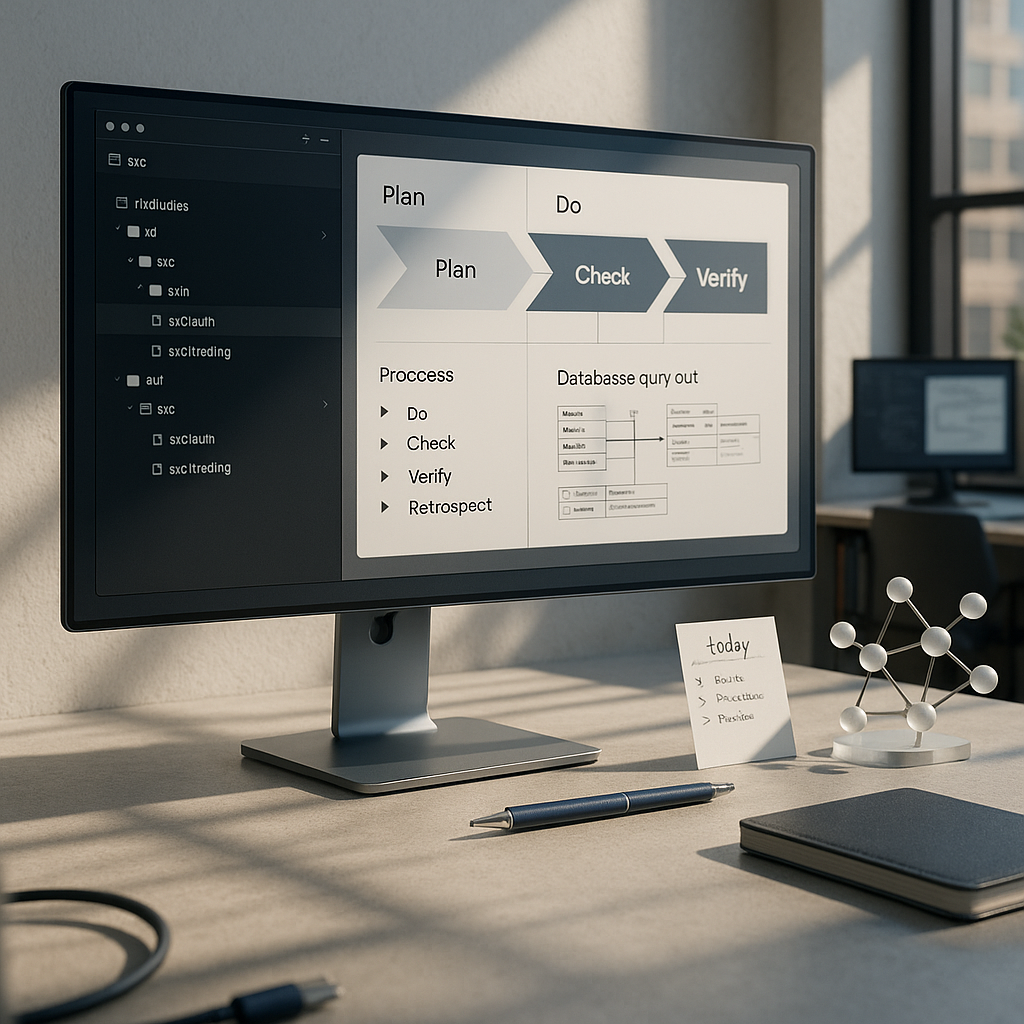
What if you could cut typical 1–2‐day engineering tasks from ~8 hours to ~2–3 while keeping quality and traceability? Over the last two weeks (Reddit posts 2026‐01‐02/03), experienced engineers have converged on practical patterns that form an AI‐native operating model you'll get here: the PDCVR loop (Plan–Do‐Check‐Verify‐Retrospect) enforcing test‐first plans and sub‐agents (Claude Code) for verification; folder‐level manifests plus a meta‐agent that rewrites prompts to respect architecture; DevScribe‐style executable workspaces that pair schemas, queries, diagrams and APIs; treating data backfills as idempotent platform workflows; coordination agents that quantify the “alignment tax”; and AI todo routers consolidating Slack/Jira/Sentry into prioritized work. Together these raise throughput, preserve traceability and safety for sensitive domains like fintech/biotech, and shift migrations and scope control from heroic one‐offs to platform responsibilities. Immediate moves: adopt PDCVR, add folder priors, build agent hierarchies, and pilot an executable workspace.