How AI Became the Engineering Operating System: PDCVR, Agents, Workspaces
Published Jan 3, 2026
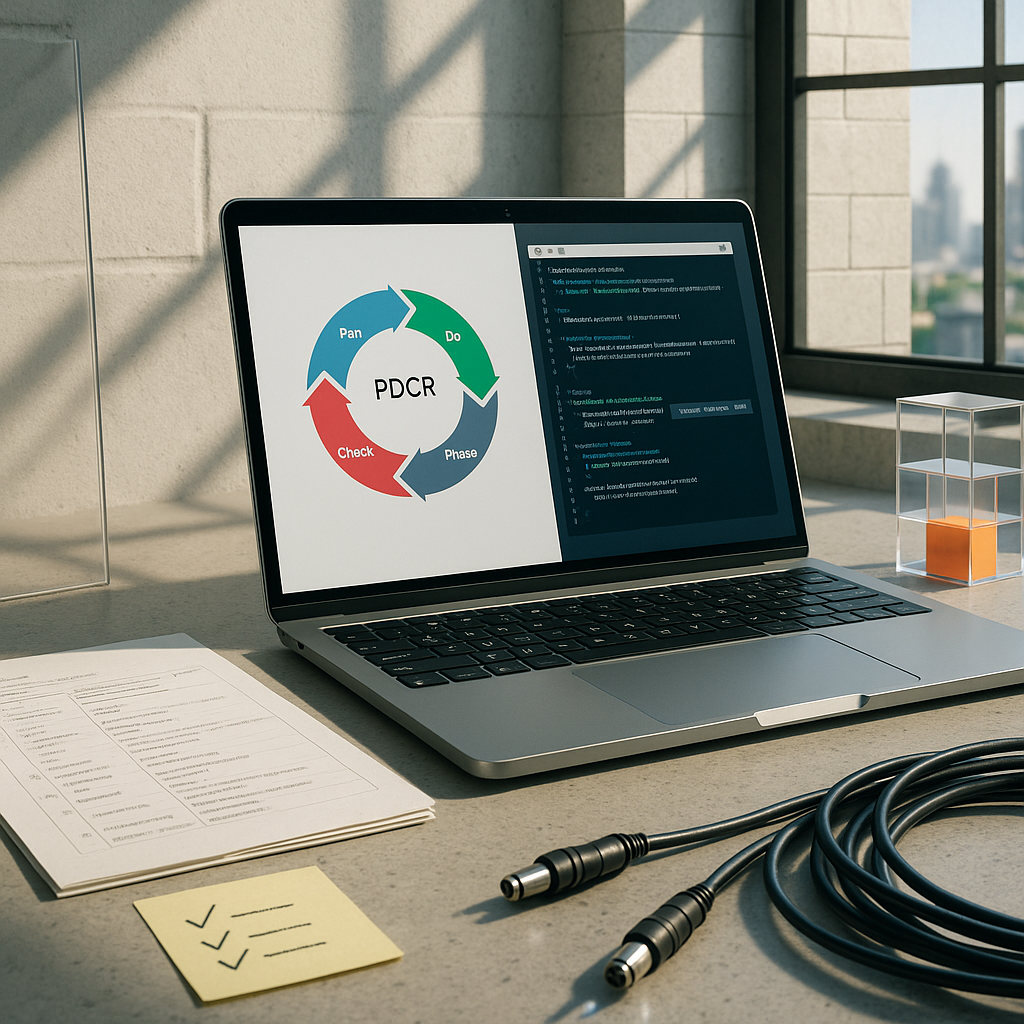
In the past 14 days engineers shifted from treating LLMs as sidecar chatbots to embedding them as an operating layer—here’s what you’ll get: a concrete, auditable AI‐native engineering model and clear operational wins. A senior engineer published a Plan–Do–Check–Verify–Retrospect (PDCVR) workflow for Claude Code + GLM‐4.7 on Reddit (2026‐01‐03) with open prompts and agent configs on GitHub, turning LLMs into repeatable TDD‐driven loops. Teams add folder‐level priors and a prompt‐rewriting meta‐agent to keep architecture intact; one report cut small‐change cycle time from ~8 hours to ~2–3 hours. DevScribe (2026‐01‐03) offers an offline, executable cockpit for DBs/APIs and diagrams. Practitioners also call for treating data backfills as platform features (2026‐01‐02) and using coordination agents to reduce the “alignment tax” (2026‐01‐02/03). The takeaway: the question isn’t which model, but how you design, instrument, and evolve the workflows where models and agents live.